What We Do

Services

Every concrete job covered, from a single slab repair to a full driveway replacement.

Home › Services

Everything we take on

Every job below is one we do ourselves across Onalaska.

Concrete Driveways

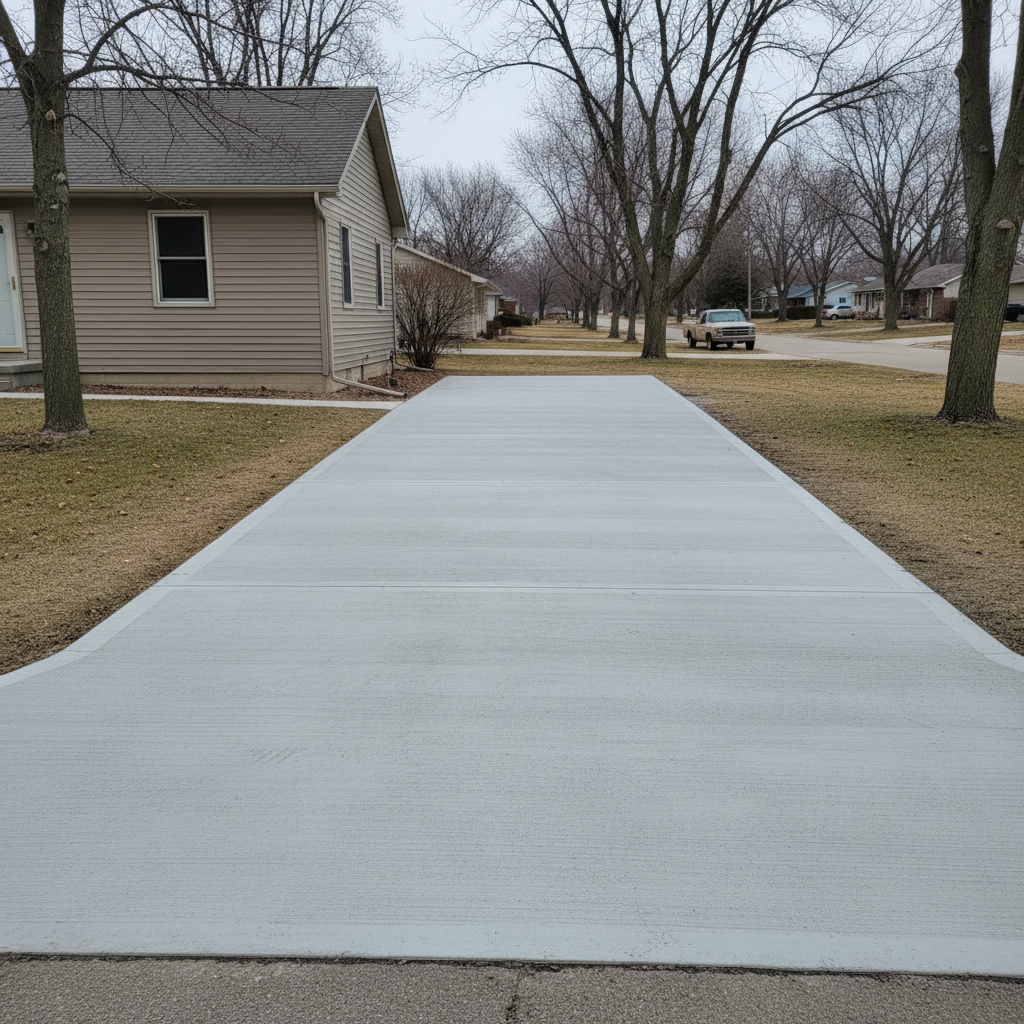
We form and pour driveways with a compacted base and reinforcement sized for daily vehicle weight, not just foot traffic. Air-entrained mix and proper joint spacing keep the surface from spalling under road salt and plow blades.

Concrete Patios

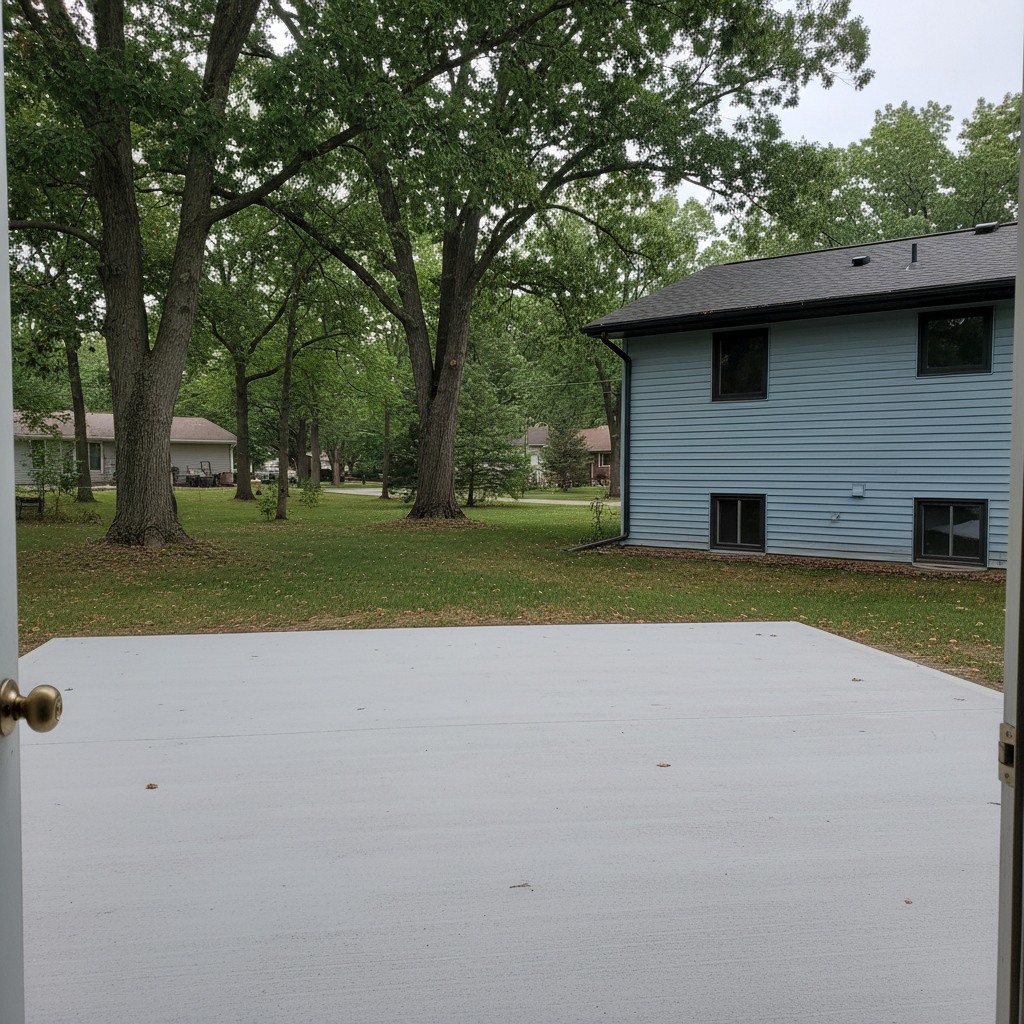
Patios get laid out and sloped away from the house so water doesn't pool against your foundation. Broom, exposed aggregate or stamped finishes are all options depending on the look you're after.

Stamped Concrete

Stamped concrete gives you the pattern of flagstone, brick or slate poured as one solid slab. It's colored and sealed on site, and it holds up to our winters better than pavers that shift and heave.

Concrete Repair

Patching spalled surfaces, mudjacking sunken sections, and fixing slabs that crack across the middle instead of at the joint. Sometimes the fix is caulking and re-sealing a joint, sometimes the slab has to come out.

Concrete Slabs

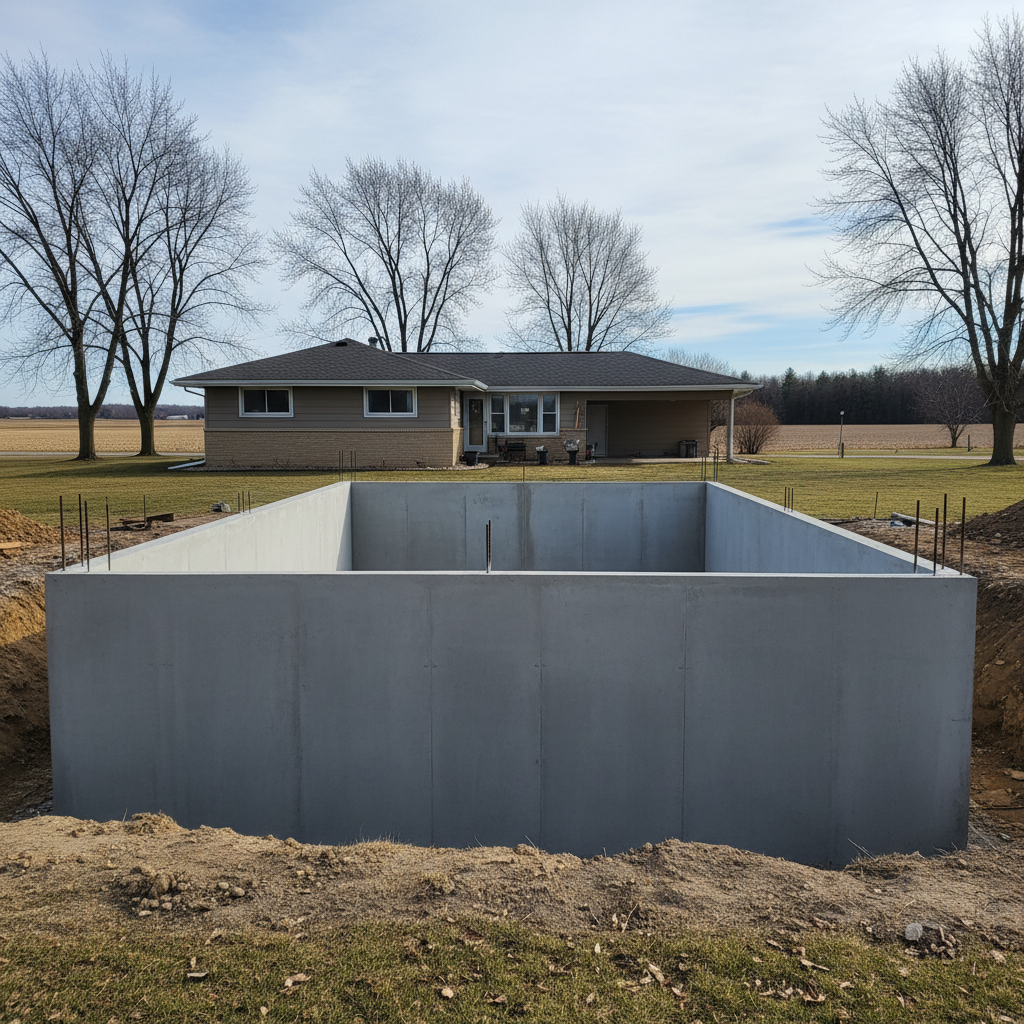
Garage floors, shed pads and foundation slabs get a vapor barrier, a gravel base and rebar or mesh depending on the load. The base gets graded and compacted first so the slab doesn't sink into soft clay later.

Sidewalks & Walkways

Walkways are poured with proper slope for drainage and control joints cut to keep the crack where it belongs, not where the slab decides on its own. ADA-compliant ramps and ratios are available where the project calls for them.

Concrete Steps & Porches

Steps and porch slabs get formed with rebar tied into the footing so they don't separate from the house over time. Rise and run are matched to code so nobody trips going out the door.

Retaining Walls

Concrete and block retaining walls hold back graded slopes and keep soil off your foundation. Drainage goes in behind the wall, because a wall that holds water instead of draining it is a wall that fails.

Concrete Removal & Replacement

Old, cracked or heaved concrete gets saw-cut, broken out and hauled away before a new pour goes in. What's underneath gets checked too, soft spots and poor drainage get corrected before the new slab goes down.

Exposed Aggregate Concrete

The stone in the mix is exposed for a textured, slip-resistant surface that works well on patios and pool decks. The finish is washed and sealed to keep the stone from popping loose over time.

How It Works

Four steps, and no surprises in any of them.

01

We come and look

You tell us what you want doing, we look at what is actually there, and we ask the awkward questions early.

02

You get a price

In writing, itemised, free. If something might add cost later we flag it now rather than at the end.

03

We do the work

Same crew throughout. We cover your floors, keep the dust down and tidy up before we leave each day.

04

We walk it with you

You point out anything you are not happy with and we fix it before the invoice, not after.

Where We Work

All of this, across Onalaska, WI

Concrete work covered across Onalaska and the surrounding fifty-mile radius.

Onalaska, WI
La Crosse, WI
Winona, WI
Holmen, WI
Sparta, WI
Tomah, WI
Prairie du Chien, WI
Viroqua, WI
West Salem, WI
Black River Falls, WI
Galesville, WI
Common Questions

Things worth asking

Questions that come up once a concrete project is underway.

Do I need a permit to pour a new driveway or patio?
Many municipalities around Onalaska require a permit for a new driveway, especially where it meets the street or a utility easement. Patios and sidewalks on private property often don't need one, but local code varies enough that it's worth checking before the forms go up.
How long does a concrete driveway take to pour and cure?
Forming, pouring and finishing a typical driveway takes one to two days depending on size. The slab handles foot traffic in about 24 to 48 hours, needs a full 7 days before anything heavier, and reaches full strength for daily vehicle weight around 28 days out.
Can concrete work be done within a set budget?
Budget shapes the finish and reinforcement choice more than the basic layout, wire mesh instead of rebar, broom finish instead of stamped, a smaller footprint instead of a full wraparound patio. Stating the number up front lets the quote get built around it instead of a surprise later.
Do you offer any kind of warranty on the concrete?
Workmanship on new pours is typically covered for a set period against installation defects like improper jointing or base preparation. Concrete itself can still crack from ground movement or extreme freeze-thaw that no contractor controls, which is why proper joint spacing and base work matter so much upfront.
Who will I actually be dealing with during the job?
The same crew that bids a concrete job typically forms, pours and finishes it, so there isn't a rotating cast of subcontractors showing up across the project.
What kind of concrete mix gets used?
Air-entrained concrete, mixed with microscopic air bubbles that let the slab expand and contract through freeze-thaw cycles without cracking apart, is standard for exterior work in Wisconsin. Interior slabs like garage floors use a different mix since they're not exposed to the same weather.
Can I still use my driveway or patio while work is happening?
A driveway or patio is out of use for the stretch between pouring and the slab reaching walking strength, usually a day or two, and vehicle weight waits a full week or more. Parking or access gets worked out ahead of time so it isn't a surprise on pour day.
What needs to happen to prepare the site before work starts?
Clearing the area of furniture, planters, vehicles and anything in the work zone ahead of time speeds up the job. Sprinkler lines, buried cable or anything underground should get flagged or marked before excavation starts.
What happens if a problem turns up once the old concrete comes out?
Soft spots, poor drainage or buried debris under old concrete show up once demo starts, and the base gets corrected before the new slab goes in rather than pouring over a problem. That can add a day and some cost, but it's the difference between a slab that lasts and one that cracks again in two years.
How should new concrete be cared for after it's poured?
New concrete should stay damp or covered for the first several days while it cures, and traffic should stay off it for the timelines given at pour time. Sealing every few years and using a concrete-safe deicer instead of straight rock salt keeps the surface from scaling through winter.

Not sure what you need?

Describe the problem and we will tell you what it probably is. No obligation.
Call (608) 420-2563